Galloway · Lone Pine
Niji Sushi Bar & Grill
3938 S Lone Pine Ave, Springfield, MO 65804
(417) 851-1707
Order from the right Niji
Your selection is remembered on this device and can be changed at any time.
Galloway · Lone Pine
3938 S Lone Pine Ave, Springfield, MO 65804
(417) 851-1707
Republic Road · Southwest Springfield
2100 W Republic Rd, Ste 124, Springfield, MO 65807
(417) 493-9988
Niji Journal
Nigiri is seafood served over seasoned rice, sashimi is sliced seafood served without rice, and maki is sushi rolled with rice and other ingredients. Those three definitions are enough to make most sushi menus much easier to understand.
Nigiri usually consists of a hand-formed portion of seasoned sushi rice topped with seafood. The topping may be raw, cooked or prepared in another way, depending on the ingredient. Because the presentation is simple, nigiri puts the balance between rice, topping and seasoning at the center of the experience.
Guests who want to compare different kinds of seafood can order a few pieces of nigiri alongside a roll. Tuna, salmon, shrimp, eel and yellowtail all provide different textures and flavor profiles. Ask which selections are currently available before ordering.
Sashimi is sliced seafood served without sushi rice. It is often chosen by guests who want to focus on the texture and flavor of the seafood itself. Because there is no rice or roll filling, the portion and experience differ from maki.
Sashimi is not automatically the best first choice for every new sushi guest. If you are curious but uncertain, consider sharing a small chef-selected sashimi combination or trying nigiri first.
Maki means rolled sushi. Rice and fillings are wrapped and cut into individual pieces. Some rolls place seaweed on the outside, while others place the rice on the outside. Ingredients may include seafood, vegetables, avocado, cream cheese, tempura and sauces.
House rolls tend to be more straightforward. Signature rolls often combine several ingredients, toppings and sauces to create stronger contrasts in flavor and texture. Niji’s searchable menu separates these categories so guests can compare them easily.
Choose nigiri when you want a direct pairing of seafood and rice. Choose sashimi when you want seafood without rice. Choose maki when you want multiple ingredients and a wider range of cooked, raw, mild, spicy, creamy or crunchy options.
You do not need to choose only one. A balanced meal might include one house roll, two or three nigiri selections and a shared appetizer. This provides variety without creating an oversized order.
Nigiri, sashimi and rolls can include raw or cooked ingredients. The name of the format does not tell you whether the seafood is raw. Read the description and ask the restaurant team whenever the preparation is unclear. Guests who are pregnant, immunocompromised or concerned about foodborne illness should seek appropriate medical guidance and choose foods carefully.
In everyday restaurant conversation they are often discussed together, but sashimi does not contain sushi rice. Sushi refers to preparations built around seasoned rice.
No. Many rolls use cooked seafood, tempura, vegetables or other cooked ingredients.
A mild cooked roll is often the easiest starting point. From there, add nigiri or another roll based on the textures and flavors you enjoy.
Continue Exploring
Th8 15, 2026
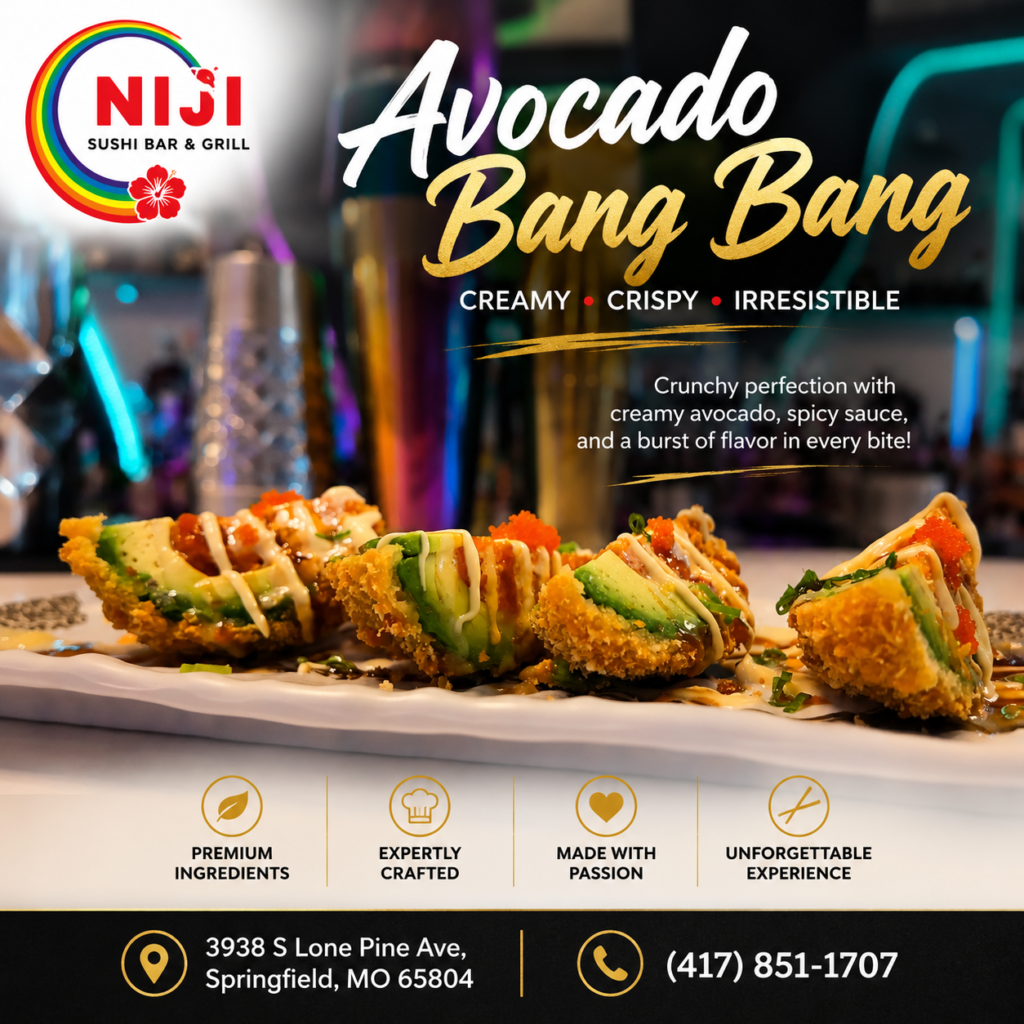
Too tired to cook? Niji Sushi Bar & Grill on Lone Pine in Springfield makes weeknight dinner simple, with rolls, appetizers and a relaxed pace to match.
Th8 12, 2026
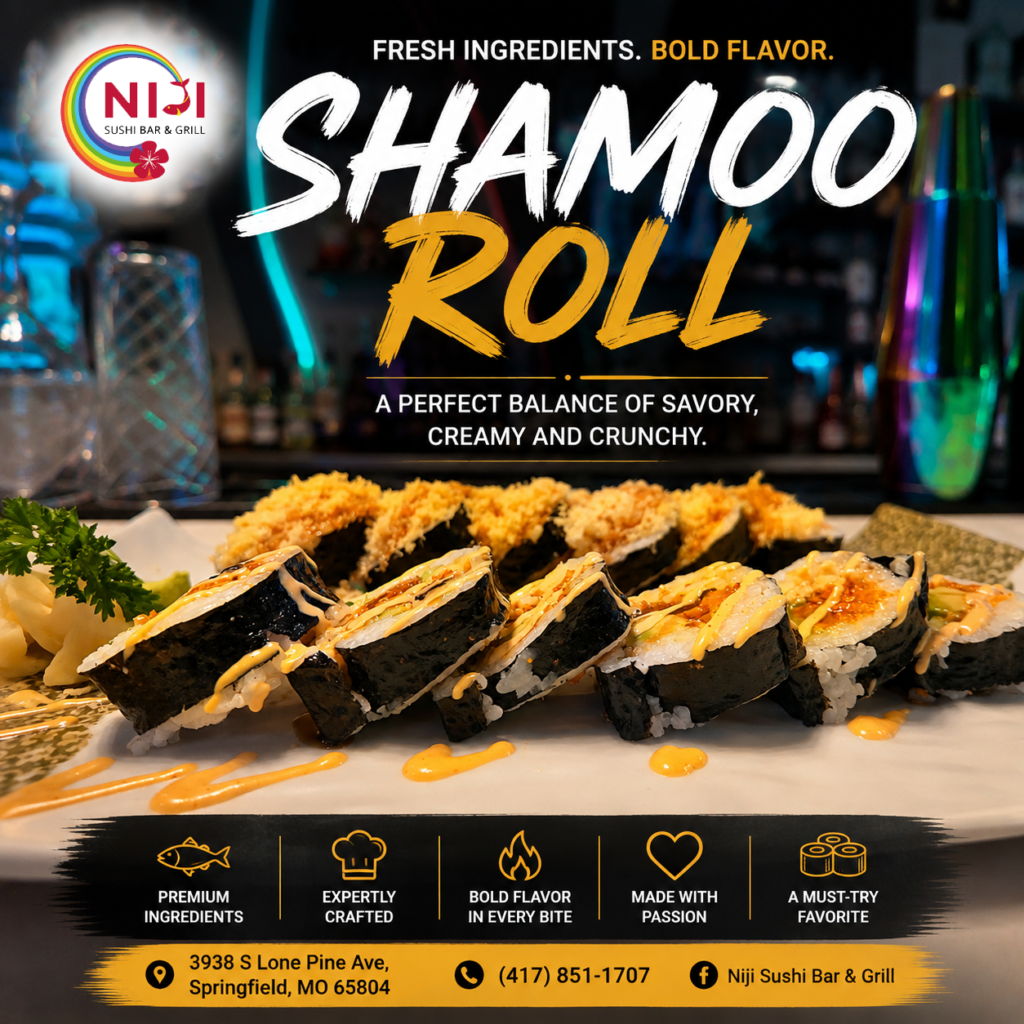
Planning dinner with friends in Springfield? See how to order a variety of rolls and a grill favorite at Niji Sushi Bar & Grill on Lone Pine for a table ever…
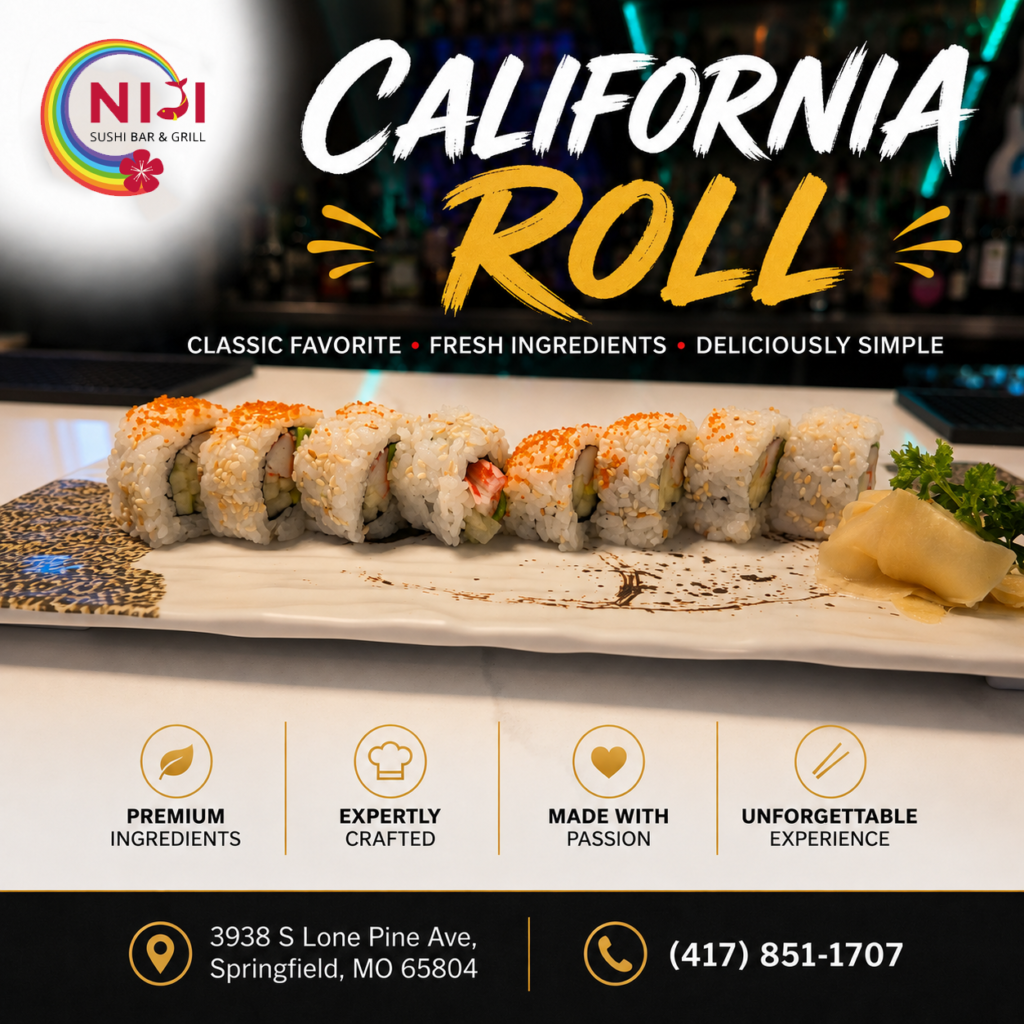
Th8 5, 2026
Planning date night in Springfield? Niji Sushi Bar & Grill at Lone Pine/Galloway offers sushi, hibachi steak and cocktails for a memorable evening together.